STRATEGIC SUPPORT
FOR SCHOOL OR DISTRICT TEAMS
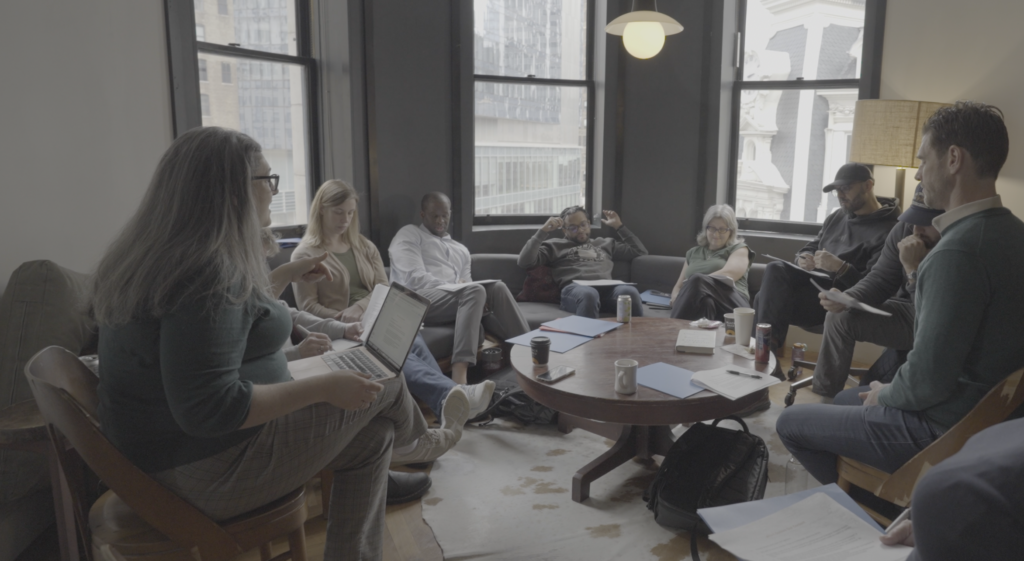
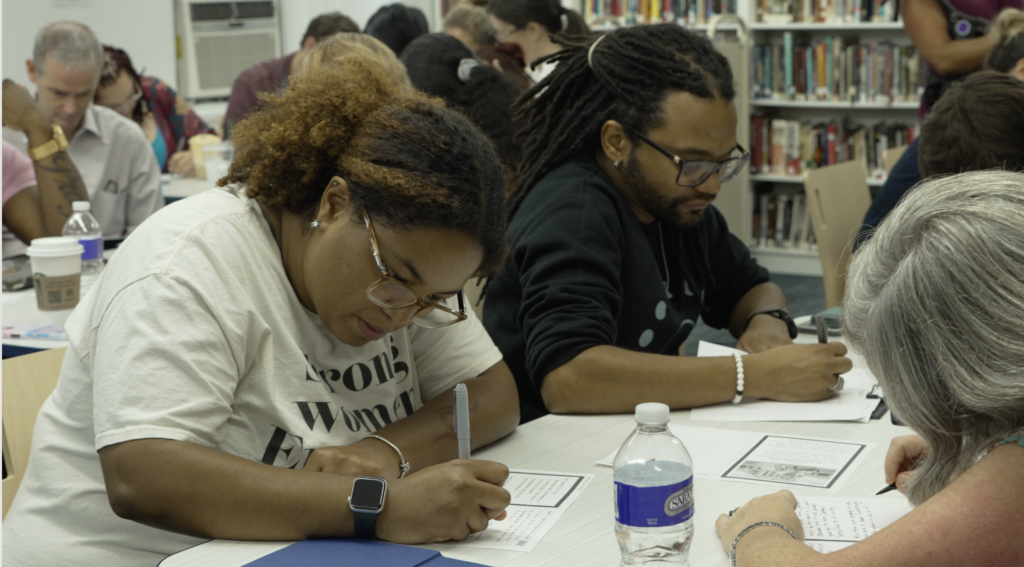
The Mill Institute supports education leaders:
- Who are looking to to build shared language, skills, and structures for open inquiry
- Who want to encourage a welcoming environment for divergent ideas while maintaining a solid fact base
- Who are managing conflicting priorities and perspectives across the school community
- Who are looking to lay a foundation for productive, inclusive responses to important global events
We collaborate closely with school leaders to develop:
FOUNDATIONAL CLASSROOM PRACTICES
Clear, practical strategies that help teachers establish norms for discussion, disagreement, and intellectual risk-taking— across grade levels and disciplines
OPEN INQUIRY COMPETENCIES
Build a school-led framework that defines what students should know and be able to do when it comes to engaging with diverse viewpoints—an Open Inquiry “Portrait of a Graduate.”
ASSESSMENT & EVALUATION TOOLS
Practical ways to measure growth in skills like constructive disagreement —so open inquiry becomes teachable, observable, and improvable.
COACHING for SCHOOL LEADERS
Targeted support for leaders navigating complex community dynamics, curriculum questions, or moments of tension—grounded in experience, not ideology.
why it matters
Today’s students are growing up in an environment shaped by polarization, social media sound bites, and a generalized fear of saying the wrong thing.
81%
of students do not feel very comfortable disagreeing with peers or teachers (Knight Foundation, 2022)
77%
of teachers believe schools should teach respectful disagreement—yet many avoid sensitive topics altogether (Education Week, August 2024)
<50%
of high school students describe their schools as having a strong civic culture (CIRCLE Report, 2025)
When students lack opportunities to practice open inquiry, they don’t just disengage from difficult conversations—they disengage from democratic life itself.
Schools that invest in a truth-seeking culture give students something different: the tools to challenge and revise ideas with both compassion and intellectual seriousness.
why it matters
Today’s students are growing up in an environment shaped by polarization, social media sound bites, and a generalized fear of saying the wrong thing.
81%
of students do not feel very comfortable disagreeing with peers or teachers (Knight Foundation, 2022)
77%
of teachers believe schools should teach respectful disagreement—yet many avoid sensitive topics altogether (Education Week, August 2024)
<50%
of high school students describe their schools as having a strong civic culture (CIRCLE Report, 2025)
When students lack opportunities to practice open inquiry, they don’t just disengage from difficult conversations—they disengage from democratic life itself.
Schools that invest in a truth-seeking culture give students something different: the tools to challenge and revise ideas with both compassion and intellectual seriousness.
CASE STUDY:
THE BIRCH WATHEN LENOX SCHOOL, NYC
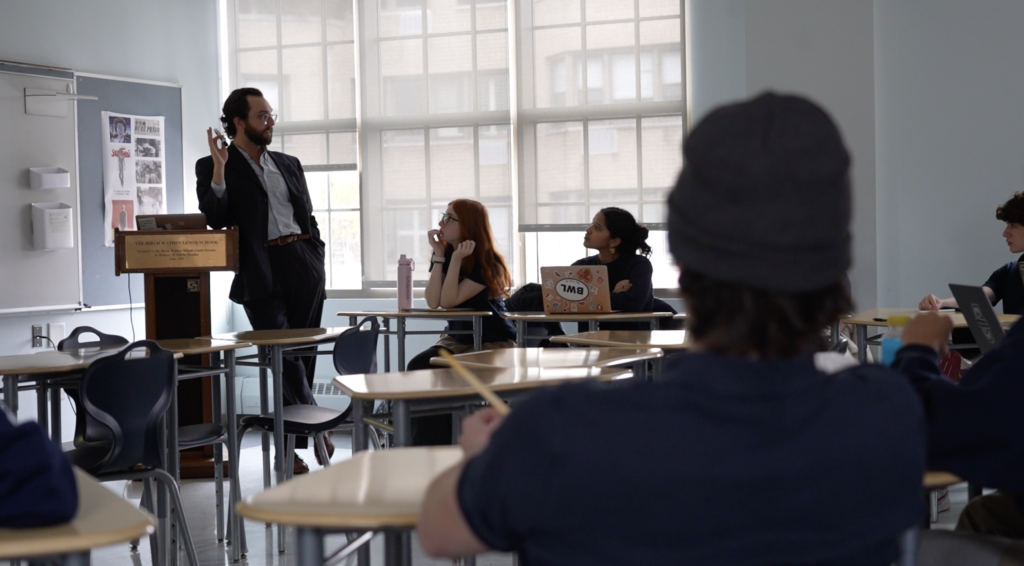
The Birch Wathen Lenox School is a private K–12 school in Manhattan that has made constructive dialogue a core pillar of its academic life.
In spring 2025, BWL partnered with the Mill Institute to translate that commitment into everyday classroom practice.
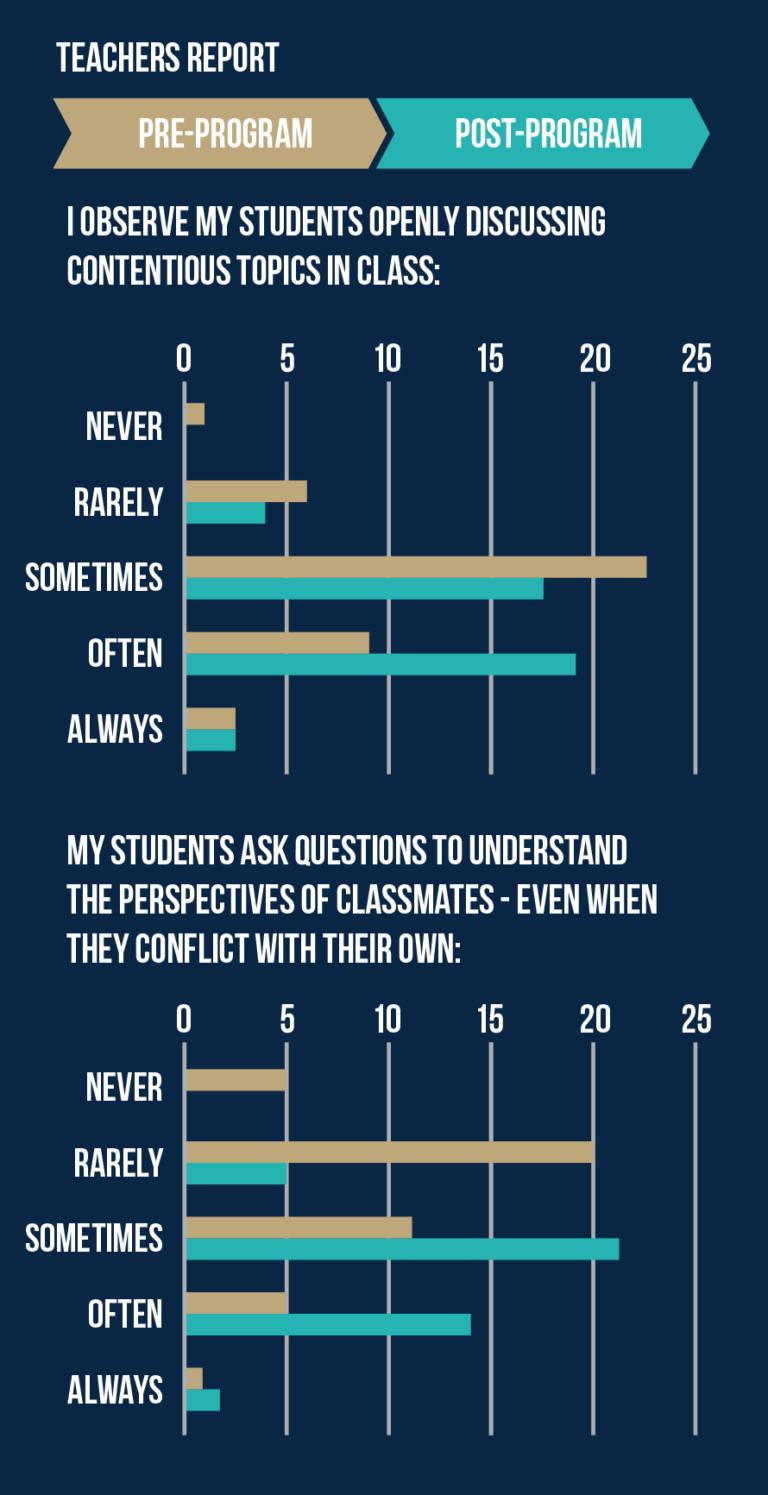
Working closely with teachers and school leaders, the Mill Institute helped the school identify three core academic skills students would develop: building trust, engaging multiple perspectives with compassion, and using credible evidence in the shared pursuit of knowledge.
BWL then created a K–12 scope and sequence defining how these skills develop at each grade level, and—together with the Mill Institute—built a set of measurement tools to track progress over time.
SCHOOLS WE'VE WORKED WITH